
Mount Kilimanjaro
Conquer Mount Kilimanjaro through scenic routes that offer breathtaking landscapes, diverse ecosystems, and unforgettable adventure. From lush rainforests to alpine deserts, each trail leads you step by step to Africa’s highest peak
Our Popular Climbing Tours
TOP KILIMANJARO TREKS
Kilimanjaro Climbing Routes
Kilimanjaro routes overview is the Kilimanjaro route comparison and highlights which will enable you to choose your best route on mount Kilimanjaro. Choice of route depends on the amount of time you have available, the importance of the route’s scenery for you, degree of difficulty, and how crowded a route can get depending on time of year.
It is important to keep in mind that acclimatization takes time and the more time you have available the better your body will be able to cope with the altitude and you will have an increased success in reaching the top.
The Machame and Marangu are the busiest in regards to foot traffic followed by less traffic on the Lemosho and Rongai Route
Kilimanjaro Route Comparison
The Marangu Route
The Marangu Route, often referred to as the “Coca-Cola Route,” is one of the most popular and established paths for climbing Mount Kilimanjaro. It is the only route that offers hut accommodation instead of camping, making it a preferred choice for climbers seeking more comfort and a structured trekking experience.
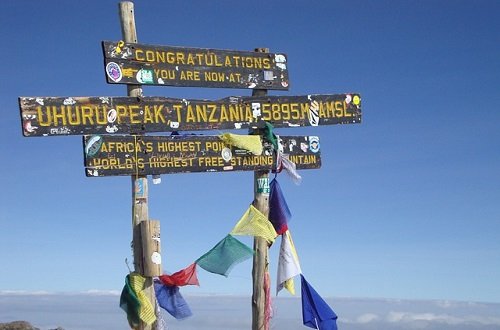
The ascent typically takes 5 to 6 days, though a 6-day itinerary is highly recommended to allow better acclimatization and increase the chances of reaching the summit. From Kibo Hut, climbers begin their final ascent to Uhuru Peak the highest point in Africa during the night, navigating steep and challenging terrain before reaching the summit at sunrise.
Unlike other routes, the Marangu Route follows a well-defined path with gradual elevation gain, making it suitable for beginners or those with less trekking experience. The journey begins at the Marangu Gate on the southeastern side of the mountain and ascends through lush rainforest, where climbers may encounter colobus monkeys, tropical birds, and dense vegetation. As the trail progresses, the scenery transforms dramatically from rainforest to moorland, then to alpine desert, and finally to the arctic summit zone.
One of the defining features of the Marangu Route is its hut system, which includes Mandara Hut, Horombo Hut, and Kibo Hut. These huts provide basic amenities such as beds, dining areas, and shared facilities, offering shelter from the elements and a more comfortable alternative to tents. This makes the route particularly appealing during rainy seasons or for climbers who prefer not to camp.
The Machame Route
The Machame Route, widely known as the “Whiskey Route,” is one of the most scenic and popular paths for climbing Mount Kilimanjaro. It is favored by adventurous trekkers who seek breathtaking landscapes, a more immersive wilderness experience, and a higher chance of reaching the summit due to better acclimatization.
Starting from the Machame Gate on the southern side of the mountain, the route takes climbers through a remarkable variety of ecosystems. The journey begins in dense rainforest, filled with towering trees, ferns, and unique wildlife. As the ascent continues, the environment transitions into moorland, where giant heathers and volcanic rock formations dominate the landscape. Higher up, trekkers enter the alpine desert zone an open, rugged terrain with dramatic views before reaching the arctic summit zone near Uhuru Peak.
Typically completed in 6 to 7 days, the Machame Route follows the “climb high, sleep low” principle, which greatly improves acclimatization. One of the most memorable sections is the Barranco Wall a steep but non-technical climb that offers stunning panoramic views and a rewarding sense of achievement. The final ascent to the summit begins from Barafu Camp, with climbers trekking overnight to reach Uhuru Peak at sunrise.
The Rongai Route
The Rongai Route is the only route that approaches Mount Kilimanjaro from the northern side, near the border with Kenya. Known for its remote and less crowded trails, the Rongai Route offer a, wilderness-focused experience, making it ideal for climbers seeking solitude and a unique perspective of the mountain.
The trek begins near Rongai Gate and gradually ascends through a variety of landscapes. Unlike the southern routes, the northern side of Kilimanjaro receives less rainfall, resulting in a drier environment with open woodlands and fewer dense forests. Along the way, climbers may encounter wildlife such as antelopes, monkeys, and a variety of bird species, adding a safari-like element to the journey.
The Rongai Route is typically completed in 6 to 7 days, allowing for proper acclimatization. Camps such as Simba Camp, Second Cave, Kikelewa Camp, and Mawenzi Tarn Camp provide structured overnight stops. The final push to the summit is usually made from Kibo Hut, which is shared with climbers descending via the Marangu Route. From there, trekkers begin their midnight ascent to Uhuru Peak, aiming to reach the summit at sunrise.
The Shira Route
The Shira Route is a scenic and less-traveled path on Mount Kilimanjaro, approaching the mountain from the west. It is renowned for its stunning high-altitude plateau landscapes and spectacular panoramic views of both Kibo and Mawenzi peaks. Trekkers on this route enjoy a more remote and peaceful experience, with fewer crowds compared to the southern routes.
The trek begins at the Londorossi Gate and quickly climbs through dense rainforest before emerging onto the expansive Shira Plateau at around 3,500 meters. This plateau is dotted with giant heathers and unique alpine vegetation, creating a surreal highland environment. The route allows climbers to take in vast vistas of Kilimanjaro’s western slopes, offering incredible photographic opportunities and a real sense of wilderness.
Shira Route is a camping route, with camps such as Shira 1, Shira 2, and Moir Hut, providing structured overnight stops. The trail gradually ascends across the plateau, connecting with the Machame Route at Barranco Camp or sometimes merging with the Lemosho Route, depending on the itinerary. This integration allows climbers to benefit from longer acclimatization periods, which improves the likelihood of reaching the summit successfully.
The Lemosho Route
The Lemosho Route is widely regarded as one of the most scenic and rewarding paths to climb Mount Kilimanjaro. Approaching from the western side of the mountain, Lemosho offers trekkers a combination of breathtaking landscapes, excellent acclimatization opportunities, and a high summit success rate. It is particularly popular among climbers who want a quieter and more immersive experience compared to the busier southern routes.
The trek begins at the Lemosho Gate, located on the lush western slopes of Kilimanjaro. Initially, climbers pass through dense rainforest, filled with exotic flora and fauna, including colobus monkeys and a variety of bird species. After leaving the rainforest, the route opens up onto the Shira Plateau, a wide high-altitude expanse dotted with giant heathers, lobelias, and unique volcanic formations. The plateau provides dramatic views of both Kibo and Mawenzi peaks, setting the stage for a visually spectacular climb.
The Umbwe Route
The Umbwe Route is one of the steepest and most challenging paths to climb Mount Kilimanjaro. Known for its direct ascent and dramatic scenery, it is favored by experienced and fit climbers who are looking for a short but physically demanding route with fewer crowds. Umbwe is considered the “hardcore route” of Kilimanjaro, offering a true test of stamina and mental toughness.
The trek starts at the Umbwe Gate on the southern side of the mountain, immediately entering lush rainforest. The trail is steep from the beginning, with dense vegetation, slippery roots, and occasional river crossings, requiring good balance and endurance. Unlike other routes, Umbwe does not provide gradual acclimatization at lower altitudes, which makes it physically demanding but time-efficient for those who want a shorter climb.
Climbers on Umbwe Route traverse through distinct ecological zones: from the rainforest to the moorland, then alpine desert, and finally the arctic summit zone. The trail passes scenic landmarks such as the Umbwe Cave and offers stunning views of Mawenzi Peak, the Kibo Glacier, and the Tanzanian plains below. The route merges with the Machame Route at Barranco Camp, which serves as a critical acclimatization point before the final push to the summit.
The Northern Circuit Route
The Northern Circuit Route, often referred to as the Northern Route, is the newest and longest route to climb Mount Kilimanjaro. It approaches the mountain from the north and offers an extended, scenic trek that maximizes acclimatization, making it one of the routes with the highest summit success rates. The Northern Circuit is ideal for trekkers seeking solitude, panoramic vistas, and a full Kilimanjaro experience.
Northern Circuit is a camping route with well-placed camps that allow for gradual acclimatization, following the “climb high, sleep low” principle. Camps such as Simba Camp, Second Cave, Shira 1, and Moir Hut provide comfortable overnight stops while giving trekkers enough rest to adjust to higher altitudes. The route also includes a spectacular traverse around the northern and eastern slopes of Kilimanjaro before descending via the Mweka Route.
One of the standout features of the Northern Circuit is its panoramic scenery. Since it circles the mountain, trekkers are treated to 360-degree views, including remote ridges, glacial remnants, and expansive valleys. The longer itinerary, typically 8 to 9 days, improves acclimatization and reduces the risk of altitude sickness, making it suitable even for moderately experienced climbers who are physically prepared.